Teenage Skincare Routine in Pakistan: What to Use at 13–19 (and What to Stop)
Novelax PharmaA lot of the messages we get are not from the person with the skin problem. They are from a mother. "Meri beti 15 saal ki hai, chehre par daane hain, kya lagayein?" Sometimes it's the teenager themselves, usually at 1am, usually after trying something from a cousin's dresser that made things worse.
Teenage skin in Pakistan gets a raw deal. It's producing more oil than it ever will again, it's in a country where the sun is strong ten months a year, and it's being handed advice from three generations of family remedies plus whatever is trending on TikTok. So here is what we actually tell parents and teenagers who ask us — what to do, what to stop doing, and what to leave alone until you're older.
What is actually happening to teenage skin
Between about 12 and 19, hormones tell the oil glands to work harder. More oil means pores clog more easily, and clogged pores plus the normal bacteria on skin equal pimples. That's the whole story. It is not because of "garam cheezein", it is not because of dirt, and it is not a sign that something is wrong with the child. It happens to almost everyone; it just happens more visibly on some.
The reason teenage acne matters in Pakistan specifically is what comes after. On medium and deep skin tones, every pimple that gets picked or inflamed leaves a brown mark that hangs around for months. Most of the "daagh" adults come to us about are old teenage acne. So the goal at this age is not perfect skin — it's calm skin, so it doesn't leave marks that need fixing at 25.
The routine — and it's short on purpose
We've watched parents buy seven products and the teenager use none of them after week two. Three steps, twice a day, is realistic. Anything more and it doesn't happen.
Morning
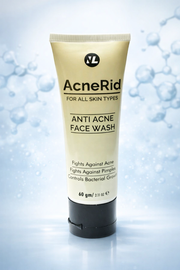
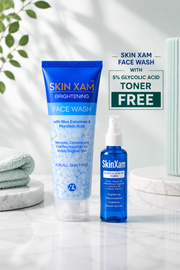
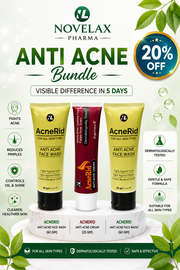
Wash. A face wash with Salicylic Acid, which gets into the pore and dissolves the oil that's clogging it — Acnerid Anti Acne Face Wash is the one we make for exactly this age and skin. Lukewarm water, 30 seconds, rinse well. If the skin is more dull than pimply, Skin Xam Brightening Face Wash is the gentler brightening option.
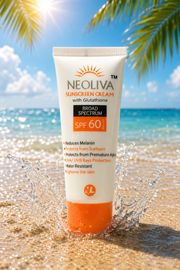
Sunscreen. Yes, at 14. Yes, even for school. This is the step most families skip and the one that decides whether a pimple becomes a mark. Neoliva SPF 60 is light enough that boys will actually wear it, which is half the battle.
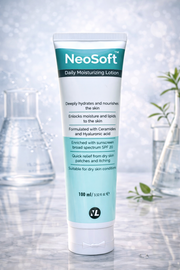
That's the morning. No moisturiser on oily teenage skin in summer — the sunscreen is enough. If the skin feels tight in winter, a thin layer of NeoSoft under the sunscreen.
Night
Wash again — the day's oil, dust and sunscreen need to come off. Then, only on the pimples, a thin dab of Acnerid Anti Acne Cream. Not on the whole face. Just the spots. It calms them and, used consistently, they clear in days instead of weeks and leave less behind.
Done. Two washes, sunscreen, spot cream. A teenager can do that.
The things to stop doing (this part matters more)
Most teenage skin we see is not suffering from a lack of products. It's suffering from things being done to it.
Squeezing. We know. Everyone knows. But a squeezed pimple on brown skin is a three-month mark. If there's one thing a parent can enforce, it's this.
Toothpaste, lemon, baking soda, Dettol. Every one of these burns the skin, which triggers more oil and more pigmentation. Lemon in particular, followed by sun, causes dark patches that take a year to fade.
Washing five times a day. Feels logical — oily face, wash it. But the skin responds to being stripped by producing more oil. Twice is the number.
Borrowing an adult's cream. Anti-ageing creams, "fairness" creams from the market, an aunt's prescription tube — teenage skin doesn't need them and some of them (the unlabelled fairness ones especially) contain steroids that ruin young skin fast. If a cream doesn't have a full ingredient list on the box, it should not go near a 15-year-old's face.
Scrubbing. Walnut scrubs and rough face brushes spread bacteria and inflame the skin. Skip them entirely at this age.
Hair oil on the forehead. Boys especially — oil in the hair that touches the forehead is a reliable source of forehead pimples. Keep it off the hairline or oil the night before a wash.
Boys vs girls — small differences
Boys usually have oilier skin, bigger pores and the added problem of shaving from 16 or so. Shaving over pimples spreads them; shave around, use a fresh blade, and the salicylic face wash before shaving helps. They are also the hardest to convince about sunscreen. A light one, no white cast, kept next to the toothbrush, is the trick that works.
Girls tend to ask about the marks earlier and are more likely to reach for makeup to cover pimples. That's fine — but the makeup has to come off completely at night, and heavy, thick foundations clog the same pores you're trying to clear. Lighter is better while the skin is breaking out.
What not to use until 18+
Retinol, strong acid peels, high-strength Vitamin C, and any "whitening" or "anti-ageing" active. Teenage skin doesn't need them, they irritate easily, and irritation on our skin tones equals pigmentation. Brightening comes later, once the breakouts are under control. Salicylic acid in a wash and a proper sunscreen are the only actives a teenager needs.
When it's time to see a doctor
Most teenage acne is manageable at home. Go to a dermatologist if there are deep, painful, cyst-like bumps under the skin; if the acne is on the chest and back as well as the face; if it's leaving pitted scars; or if nothing has changed after three months of a consistent routine. Cystic acne needs prescription treatment, and the earlier it's treated the fewer scars it leaves. We'd rather tell you that than sell you another face wash.
What parents actually need to know
Your child's acne is not a hygiene problem and not your fault. Don't comment on it every day — they know. Buy the two or three products, put them where they'll be used, and enforce the one rule that matters: no squeezing. Give it eight weeks. Photograph the skin on day one in daylight, because you won't notice gradual change but the photo will.
And if you're not sure whether what you're seeing is normal teenage acne or something that needs a doctor, send us a photo on WhatsApp. We'll tell you honestly, even if the answer is "this needs a dermatologist, not our cream".
Frequently Asked Questions
At what age can a teenager start using face wash?
From around 11–12, when the skin starts getting oily. A gentle salicylic acid face wash twice a day is safe and is usually all that's needed in the early teens.
Is Acnerid safe for a 13-year-old?
Yes. Acnerid Face Wash and Cream are formulated for acne-prone skin including teenagers. Use the cream only on spots, not the whole face, and always pair with sunscreen in the morning.
Should teenagers use sunscreen every day in Pakistan?
Yes. Sun exposure is what turns a pimple into a long-lasting dark mark on Pakistani skin. A lightweight SPF 50–60 every morning, including school days, is the single most useful habit.
Do teenagers need moisturiser?
Oily teenage skin usually doesn't in summer — a good sunscreen provides enough hydration. In winter, or if the skin feels tight, a light lotion under the sunscreen is enough.
Can a teenager use a fairness or whitening cream?
No. Teenage skin doesn't need brightening actives, and most market "fairness" creams contain steroids or mercury that damage young skin quickly. Brightening can be considered after 18, once acne is controlled.
How long does teenage acne take to clear?
With a consistent twice-daily routine, active pimples usually calm within 2–4 weeks and new breakouts reduce over 8 weeks. Marks left behind take longer — which is why sunscreen from day one matters.
Does diet cause teenage acne?
Hormones cause it. Very sugary, oily diets can make it somewhat worse in some people, but no food is the cause and no diet change replaces a proper routine.
When should a teenager see a dermatologist for acne?
If there are deep, painful cysts; acne on the back and chest; pitted scarring; or no improvement after 3 months of consistent care.
The short version
Salicylic face wash twice a day, sunscreen every morning, spot cream at night, no squeezing, no home remedies, no borrowed adult creams. That's the whole routine for a Pakistani teenager, and it prevents most of the pigmentation that people spend their twenties trying to fix. Everything here is Cash on Delivery across Pakistan, Rs. 250 flat delivery — and the Anti Acne Bundle puts the wash and cream together at 20% off list price if you want to start with one order.