Hair Fall Treatment in Pakistan: Causes, What Actually Helps & a Realistic Routine
Novelax PharmaAlmost everyone in Pakistan deals with hair fall at some point. Hard water, heat, dust, oily scalps in humidity, stress, and diets often low in iron and protein all push in the same direction.
This guide covers how to tell normal shedding from a real problem, what the actual causes are, what topical treatment can realistically do, and a routine you can follow.
First: How Much Hair Fall Is Normal?
Losing 50 to 100 hairs a day is normal. Hair grows in cycles, and at any given time a portion of your hair is in the shedding phase.
What matters is not the count on any one day but the pattern over time. Signs that it is more than normal shedding:
- Noticeably more hair on the pillow, in the shower drain, or on your brush than a few months ago
- Your parting looks wider than it used to
- Your ponytail feels thinner
- Visible scalp where there was not any before
- Hair falling out in clumps rather than individually
Take a photo of your parting and hairline in the same light every month. Day-to-day change is invisible; three-month change is obvious.
Why Hair Fall Is So Common in Pakistan
Hard water
Water across much of Pakistan carries a high mineral load. Those minerals leave a film on hair and scalp that makes hair feel rough and dry, and that can interfere with proper cleansing. Our guide on hard water and hair fall goes into this in more detail.
Oily scalp in humidity
Heat and humidity increase oil production. An oily scalp collects dust and dead skin, which creates buildup around the follicle. Buildup plus inflammation is a poor environment for strong roots.
Heat and sun
Direct sun weakens the hair shaft over time, making it more prone to breakage — which looks like hair fall but is actually hair snapping rather than shedding from the root.
Diet
Hair is made of protein, and growth depends on iron, zinc, biotin and vitamin D. Iron deficiency in particular is common, especially in women, and is one of the most frequently missed causes of diffuse thinning.
Stress
Significant physical or emotional stress can push a large number of follicles into the shedding phase at once. The shedding typically shows up two to three months after the stressful period, which is why people often cannot connect the two.
Genetics
Male and female pattern hair loss is genetic and progressive. It responds far better to early intervention than to late rescue — which is the single most important thing to understand about it.
Tight hairstyles
Consistently tight ponytails, buns and braids pull on follicles. Over years this causes real recession, particularly along the hairline.
Shedding, Breakage, or Loss? They Are Not the Same
Shedding — whole hairs falling from the root, with a small white bulb at the end. Often temporary, triggered by stress, illness or seasonal change.
Breakage — short broken pieces with no bulb. This is a hair health problem, not a follicle problem: heat styling, harsh water, chemical treatment, rough towel drying.
Pattern loss — gradual thinning in a specific pattern, usually crown and temples in men, widening parting in women. Genetic and progressive.
The treatment is different for each, which is why identifying yours matters before buying anything.
What Topical Treatment Can and Cannot Do
An honest framing, because this category is full of overpromising.
What a good scalp routine can do: clear buildup so follicles are not congested, reduce breakage so the hair you have stays on your head, support the scalp environment that growth depends on, and reduce shedding that is driven by scalp condition rather than genetics.
What it cannot do: reverse advanced genetic hair loss, regrow hair from follicles that are no longer active, or fix a nutritional deficiency. If the cause is internal — iron, thyroid, hormones — topical products alone will not solve it.
If your hair fall is sudden, severe, patchy, or accompanied by fatigue or other symptoms, see a doctor and ask for blood work before spending money on products.
A Realistic Hair Routine
Both Hairum products are dermatologically tested, with full ingredient lists, batch numbers and manufacturer details on the pack.
Shampoo — three times a week
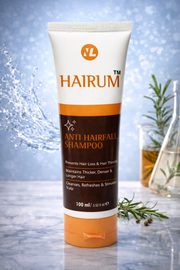
Hairum Anti Hairfall Shampoo — Rs. 985 — with Biotin and Keratin. In Pakistan's humidity, an oily scalp needs regular cleansing; leaving buildup in place does more harm than washing does.
- Lukewarm water, never hot
- Massage the scalp, not the lengths — the lengths get clean from the runoff
- Rinse thoroughly; residue is its own problem, especially with hard water
Serum — daily, on a clean scalp
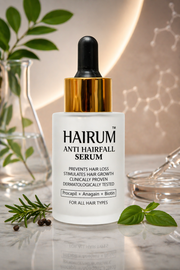
Hairum Anti Hairfall Serum — Rs. 1,705 — with Procapil. Applied to the scalp, not the hair. Part the hair in sections, apply along the parting, and massage in for a minute.
Consistency matters more than quantity here. Daily application of a small amount beats occasional heavy use.
Both together
The Anti Hairfall Bundle — Rs. 3,908 — pairs the shampoo and serum, which is how they are designed to be used.
For a step-by-step on the serum, see our guide to using Hairum Hair Growth Serum. For more on why biotin appears in hair formulations, read biotin for hair growth in Pakistan.
Ten Habits That Make a Real Difference
- Stop using hot water. Lukewarm only. Hot water plus hard water strips and roughens hair badly.
- Do not tie hair when wet. Wet hair stretches and snaps. Let it dry first.
- Loosen your hairstyle. If it pulls, it is too tight. Years of tension cause real recession.
- Use a wide-tooth comb, and start detangling from the ends upward, not the roots down.
- Skip the rough towel dry. Squeeze water out; do not rub.
- Cut back on heat styling. If you must, use the lowest effective setting.
- Eat enough protein and iron. Eggs, lentils, meat, leafy greens. This is not optional for hair.
- Get blood work if shedding is sudden or heavy. Iron, thyroid and vitamin D are the usual culprits, and all are treatable.
- Protect from direct sun on long outdoor days — a scarf or cap.
- Act early. Pattern loss responds far better at the start than after years.
What Timeline to Expect
Hair moves slower than skin. This is the part people find hardest.
- Weeks 1-3: scalp feels cleaner and less oily; less itching
- Weeks 4-6: shedding typically starts to reduce — this is the first real signal
- Weeks 8-12: less breakage; hair feels stronger
- Months 3-6: new growth becomes visible, usually as short baby hairs along the hairline and parting
A hair growth cycle is measured in months. Judging a routine at three weeks tells you nothing. Take monthly photos.
Frequently Asked Questions
How much hair fall per day is too much?
Over 100 hairs a day consistently, or a visible change in parting width or ponytail thickness over a few months. A single heavy day means little; a trend means something.
Are Hairum products dermatologically tested?
Yes. Both the shampoo and the serum are dermatologically tested, and carry full ingredient lists, batch numbers and manufacturer details on the pack.
Does oiling help with hair fall?
Traditional oiling can reduce breakage and improve hair feel. It does not affect the follicle, so it will not stop shedding driven by genetics, stress or deficiency. It also needs washing out properly — oil left on an already oily scalp adds to buildup.
Can hair fall from stress be reversed?
Usually yes. Stress-related shedding is typically temporary, and hair generally recovers over several months once the trigger passes. The delay between stress and shedding — and between recovery and regrowth — is why it feels so alarming.
Is hair fall worse in a particular season?
Many people notice more shedding in late summer and autumn. Seasonal shedding is generally mild and self-limiting.
Do I need to see a doctor?
Yes, if hair fall is sudden or severe, comes out in patches, is accompanied by scalp pain, redness or scaling, or comes with fatigue and other symptoms. Blood work for iron, thyroid and vitamin D is a reasonable first step.
Will a shampoo alone stop hair fall?
A shampoo addresses the scalp environment — buildup, oil, irritation. That helps, and for scalp-driven shedding it can help a lot. It does not address genetic loss or internal causes on its own.
How often should I wash my hair in Pakistan's climate?
Around three times a week suits most oily scalps here. Daily washing can be over-stripping; weekly washing usually leaves too much buildup in humid weather.
Can I use hair serum every day?
Yes — scalp serums are designed for daily use on a clean scalp, and consistency is what produces results.
Does hard water really cause hair fall?
It contributes mainly through breakage and buildup rather than by killing follicles. Thorough rinsing and regular cleansing offset most of it. More in our hard water guide.
Where to Start
If you are noticing more hair fall than usual, start with two things: wash your scalp properly three times a week, and apply a scalp serum daily. Give it three months and take monthly photos.
If shedding is sudden or heavy, get blood work done at the same time — the two are not alternatives.
Anti Hairfall Bundle — Rs. 3,908, or browse Hair Care.
Flat Rs. 250 delivery across Pakistan, 3-4 working days, Cash on Delivery available, free sample with every order.