What Is SPF in Sunblock? Meaning, Benefits & SPF 60 Guide | Novelax Pharma
Novelax PharmaMany people buy a sunblock simply because they see SPF 30, SPF 50, or SPF 60 printed on the packaging. However, very few understand what SPF actually means or why it plays such an important role in protecting your skin.
Whether you're spending hours outdoors, driving to work, or simply walking under the sun, your skin is exposed to harmful ultraviolet (UV) rays every day. Over time, this exposure can contribute to sunburn, tanning, pigmentation, uneven skin tone, premature aging, and other forms of sun damage.
This is where a quality sunblock becomes an essential part of your skincare routine.
In this complete guide, we'll explain what SPF means, how it works, how much SPF you actually need, and how choosing the right sunblock can help protect your skin every day.
What Does SPF Mean?
SPF stands for Sun Protection Factor.
It measures how well a sunscreen or sunblock helps protect your skin from UVB rays, the type of ultraviolet radiation primarily associated with sunburn.
Without sun protection, prolonged UV exposure can damage the outer layers of your skin. Applying a broad-spectrum sunblock helps reduce this damage by filtering or blocking a portion of the sun's harmful rays.
However, SPF is only one part of effective sun protection. Choosing a broad-spectrum formula that also helps protect against UVA rays is equally important.
Why Is Sun Protection So Important?
Many people believe they only need sunscreen when going to the beach or during vacations.
The truth is that your skin is exposed to ultraviolet radiation almost every day—even while:
- Driving
- Walking outside
- Shopping
- Sitting near windows
- Commuting to work
- Enjoying outdoor activities
Repeated exposure to UV rays may contribute to:
- Sunburn
- Tanning
- Hyperpigmentation
- Dark spots
- Uneven skin tone
- Fine lines
- Premature skin aging
Making sun protection a daily habit helps support healthier-looking skin over time.
Understanding UVA and UVB Rays
Not all sunlight affects your skin in the same way.
UVA Rays
UVA rays penetrate deeper into the skin and are associated with:
- Premature skin aging
- Fine lines
- Wrinkles
- Loss of skin elasticity
- Long-term photoaging
UVA rays are present throughout the year, even on cloudy days.
UVB Rays
UVB rays mainly affect the outer layer of the skin.
They are commonly linked with:
- Sunburn
- Skin redness
- Tanning
- Surface skin damage
SPF ratings primarily indicate protection against UVB rays, which is why it's important to choose a broad-spectrum sunblock for more complete daily protection.
Why Pakistani Skin Needs Daily Sun Protection
Pakistan experiences strong sunlight for much of the year. During summer, UV levels can become especially intense, increasing daily exposure to ultraviolet radiation.
Additional environmental factors include:
- High temperatures
- Humidity
- Dust
- Air pollution
- Long hours of outdoor travel
These conditions can place additional stress on the skin and may contribute to dryness, uneven skin tone, and signs of sun damage over time.
Whether you have oily, dry, combination, or sensitive skin, incorporating a broad-spectrum sunblock into your morning skincare routine is one of the simplest ways to help protect your skin.
Is Higher SPF Always Better?
Many people assume that the highest SPF available is always the best choice.
While higher SPF products generally provide increased protection against UVB rays, proper application and regular reapplication are just as important as the SPF number itself.
For daily use, dermatologists often recommend broad-spectrum protection with an SPF suitable for your environment and level of sun exposure.
If you spend extended periods outdoors in Pakistan's sunny climate, using a high-SPF product and reapplying it as directed can help maintain more consistent protection.
How Much Sunblock Should You Apply?
Using too little sunblock reduces the level of protection your skin receives.
For your face and neck, most adults need approximately two finger lengths of sunscreen or sunblock to achieve better coverage.
Don't forget commonly missed areas such as:
- Ears
- Neck
- Hairline
- Back of the hands
Even the best sunblock cannot provide optimal protection if it isn't applied evenly.
Common Myths About SPF
Myth 1: I Don't Need Sunblock Indoors
False.
Ultraviolet rays can still reach your skin through windows, especially UVA rays.
Myth 2: Dark Skin Doesn't Need SPF
False.
All skin tones can experience sun damage, tanning, and hyperpigmentation. Daily sun protection is beneficial regardless of skin tone.
Myth 3: SPF 60 Means You Only Apply It Once
False.
No sunscreen lasts all day. Reapplication is important, especially after sweating, swimming, or prolonged outdoor exposure.
SPF 15 vs SPF 30 vs SPF 50 vs SPF 60 – What's the Difference?
One of the most common questions people ask is whether a higher SPF always provides significantly better protection.
The truth is that while higher SPF offers increased protection against UVB rays, no sunscreen can block 100% of ultraviolet radiation. The difference between SPF levels becomes smaller as the SPF number increases.
Here's a simple comparison:
| SPF | UVB Protection* | Best For |
|---|---|---|
| SPF 15 | Daily indoor use with limited sun exposure | Low UV exposure |
| SPF 30 | Everyday outdoor activities | Moderate protection |
| SPF 50 | Extended outdoor exposure | High protection |
| SPF 60 | Intense sunlight and long outdoor hours | Strong daily protection in sunny climates |
*Protection percentages are approximate under laboratory testing conditions. Actual protection depends on applying enough product and reapplying it as directed.
For countries like Pakistan, where sunlight can be intense for much of the year, many people prefer using a high-SPF broad-spectrum sunblock as part of their daily skincare routine.
How to Choose the Right Sunblock
Choosing the right sunblock isn't just about selecting the highest SPF.
Look for a product that offers:
- Broad-spectrum UVA & UVB protection
- Lightweight texture
- Comfortable daily wear
- Suitable for your skin type
- Easy absorption
- Non-greasy finish
- Daily usability under makeup (if applicable)
A sunscreen that feels comfortable is more likely to be used consistently—which is the key to effective sun protection.
Common Mistakes People Make While Using Sunblock
Even the best sunblock may not provide the expected protection if it isn't used correctly.
Avoid these common mistakes:
Applying Too Little
Using only a small amount reduces the level of protection.
Skipping Reapplication
Sunblock gradually wears off due to sweat, touching the face, and normal daily activities.
Reapply approximately every two hours when spending extended periods outdoors, or according to the product instructions.
Applying Sunblock Too Late
Apply your sunblock about 15–20 minutes before sun exposure to allow it to form an even protective layer.
Forgetting the Neck and Ears
Many people only apply sunblock to the face and forget other exposed areas.
Always protect:
- Neck
- Ears
- Hands
- Hairline
- Exposed arms
Using Sunblock Only During Summer
Ultraviolet rays are present throughout the year—even during winter and on cloudy days.
Daily protection is recommended regardless of the season.
Recommended Daily Sun Protection Routine
A simple morning skincare routine helps keep your skin clean, hydrated, and protected from daily environmental stressors.
Step 1 – Cleanse
Start your day with Skin Xam Brightening Face Wash by Novelax Pharma. Formulated with Blue Exosomes, Mandelic Acid, Niacinamide, Alpha Arbutin, Hyaluronic Acid, and Licorice Extract, it helps remove excess oil, dirt, sweat, and impurities while leaving your skin feeling fresh, clean, and ready for the next steps in your skincare routine.
Step 2 – Apply a Brightening Serum
After cleansing, apply Skin Xam Vitamin C Serum by Novelax Pharma. Its formula contains Ethyl Ascorbic Acid (Vitamin C), Matrixyl® 3000, Licorice Extract, and Vitamin E, ingredients commonly used in skincare to help improve skin radiance, support a more even-looking complexion, and provide antioxidant protection against environmental stressors.
Step 3 – Moisturize
Follow with NeoSoft Moisturizing Lotion by Novelax Pharma to help lock in moisture and support the skin's natural barrier. Its lightweight formula provides long-lasting hydration, helps reduce dryness, and keeps the skin soft, smooth, and comfortable throughout the day, making it suitable for daily use.
Step 4 – Protect with Sunblock
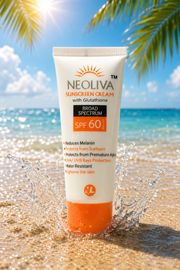
Finish your routine with Neoliva SPF 60 Sunblock by Novelax Pharma, the final and one of the most important steps of your morning skincare routine.
Neoliva SPF 60 offers broad-spectrum UVA & UVB protection to help shield your skin from harmful sun exposure. It is also enriched with Glutathione, a well-known antioxidant ingredient used in skincare formulations to help protect the skin from oxidative stress and support a brighter, more even-looking complexion. Combined with Titanium Dioxide and Zinc Oxide, it helps provide effective daily sun protection while supporting healthier-looking skin.
For best results:
- Apply generously to your face, neck, ears, and other exposed areas.
- Use it as the last step of your morning skincare routine.
- Reapply according to the product directions, especially after sweating, swimming, or prolonged outdoor exposure.
Additional Ways to Protect Your Skin
Sunblock works best when combined with other sun-safe habits.
Try to:
- Wear sunglasses with UV protection.
- Use a wide-brimmed hat when outdoors.
- Seek shade during peak sunlight hours.
- Wear protective clothing when spending long periods outside.
- Stay hydrated throughout the day.
- Avoid unnecessary direct sun exposure whenever possible.
These simple habits work together with your daily sunblock to support healthier-looking skin.
Can Sunblock Help Prevent Pigmentation?
Sunblock does not remove existing pigmentation, but regular daily use can help reduce additional UV-related skin damage that contributes to uneven skin tone and dark spots.
When combined with a consistent skincare routine, cleansing, moisturizing, and sun protection can help maintain healthier, more even-looking skin over time.
Frequently Asked Questions (FAQs)
1. What does SPF mean in sunblock?
SPF stands for Sun Protection Factor. It indicates how well a sunscreen or sunblock helps protect your skin from UVB rays, which are primarily responsible for sunburn. For comprehensive protection, choose a broad-spectrum sunblock that also helps protect against UVA rays.
2. Is SPF 60 good for everyday use?
Yes. SPF 60 is a suitable choice for daily use, especially in countries like Pakistan where UV levels are often high. It can help provide strong protection during daily outdoor activities when applied correctly and reapplied as needed.
3. What's the difference between sunscreen and sunblock?
The terms are often used interchangeably. Modern products may contain mineral filters, chemical filters, or a combination of both. The most important thing is to choose a broad-spectrum product with an SPF that suits your daily needs.
4. Should I wear sunblock indoors?
Yes. UVA rays can pass through glass windows, so wearing sunblock indoors—particularly if you spend time near windows or drive frequently—can help protect your skin from daily UV exposure.
5. How often should I reapply sunblock?
Reapply approximately every two hours during prolonged outdoor exposure, and after swimming, sweating, or towel drying, following the product's instructions.
6. Can sunblock help prevent tanning?
Regular use of a broad-spectrum sunblock helps reduce the amount of UV radiation reaching your skin, which can help minimize tanning and UV-related skin damage. No sunblock can provide 100% protection.
7. Can I use makeup over sunblock?
Yes. Apply your sunblock first, allow it to absorb for 15–20 minutes, then apply makeup if desired.
8. Which SPF is best for Pakistan?
For Pakistan's strong sunlight and hot climate, many dermatologists recommend using a broad-spectrum SPF 50 or SPF 60 sunblock for daily protection, along with proper reapplication.
Final Thoughts
Understanding what SPF in sunblock means is one of the most important steps toward maintaining healthy-looking skin. Daily exposure to UV rays can contribute to sunburn, tanning, uneven skin tone, and premature skin aging, making sun protection an essential part of every skincare routine.
A complete morning routine can make a meaningful difference:
- Cleanse with Skin Xam Brightening Face Wash
- Apply Skin Xam Vitamin C Serum
- Hydrate with NeoSoft Moisturizing Lotion
- Finish with Neoliva SPF 60 Sunblock
With broad-spectrum UVA & UVB protection and Glutathione, Neoliva SPF 60 Sunblock by Novelax Pharma is designed for daily use to help protect your skin from the effects of sun exposure while supporting a brighter, healthier-looking complexion.
Remember, consistency is the key. Applying sunblock every morning and reapplying it when needed is one of the simplest habits you can adopt to help protect your skin throughout the year.
Recommended Novelax Pharma products
All products are available with Cash on Delivery across Pakistan (flat Rs. 250 delivery, 3–4 days).