What Causes Skin Pigmentation? Common Reasons, Prevention & Daily Skincare Tips
Novelax PharmaSkin pigmentation is one of the most common skincare concerns affecting both men and women. Whether you have dark spots, acne marks, melasma, or an uneven skin tone, understanding what causes pigmentation is the first step toward building a better skincare routine.
In this guide, we'll explain the most common causes of skin pigmentation, how to help prevent it, and the skincare ingredients that can support a brighter, more even-looking complexion.
What Is Skin Pigmentation?
Skin pigmentation refers to changes in your skin's natural color caused by melanin, the pigment responsible for skin, hair, and eye color.
When the skin produces excess melanin in certain areas, it can lead to:
- Dark spots
- Uneven skin tone
- Post-acne marks
- Sun spots
- Melasma
- Hyperpigmentation
What Causes Skin Pigmentation?
1. Sun Exposure
One of the biggest causes of pigmentation is exposure to UV rays. When your skin is exposed to sunlight, it produces more melanin to protect itself, which may result in dark spots and uneven skin tone over time.
Skincare Tip: Wear sunscreen every day, even on cloudy days.
2. Acne & Post-Inflammatory Hyperpigmentation (PIH)
After acne heals, some people notice dark marks left behind. These marks are known as post-inflammatory hyperpigmentation and can take time to fade.
Using a gentle cleanser and maintaining a consistent skincare routine may help improve the appearance of these marks over time.
3. Hormonal Changes
Hormonal changes during pregnancy or from certain medications may contribute to melasma, a common form of pigmentation that usually appears on the cheeks, forehead, or upper lip.
4. Skin Injury or Irritation
Picking pimples, scratching the skin, or harsh skincare routines can trigger inflammation, which may increase the likelihood of pigmentation in some people.
5. Aging
As we age, years of sun exposure may contribute to the appearance of age spots and uneven skin tone.
6. Genetics
Some individuals are naturally more likely to develop pigmentation due to their genetics or skin type.
Ingredients Commonly Used for Pigmentation-Prone Skin
Several cosmetic skincare ingredients are commonly included in products designed to improve the appearance of uneven skin tone.
Niacinamide
Helps support the skin barrier and improve the appearance of uneven skin tone.
Alpha Arbutin
A popular cosmetic ingredient used to help improve the appearance of dark spots and discoloration.
Vitamin C
An antioxidant that helps protect the skin from environmental stressors while promoting a brighter-looking complexion.
Mandelic Acid
A gentle exfoliating acid that helps remove dead skin cells and improve skin texture.
Licorice Extract
A botanical ingredient commonly used in brightening skincare formulations.
Hyaluronic Acid
Helps maintain skin hydration and supports a healthy-looking skin barrier.
Build a Daily Skincare Routine for Pigmentation
A consistent skincare routine is often more important than using multiple products occasionally.
Step 1: Cleanse
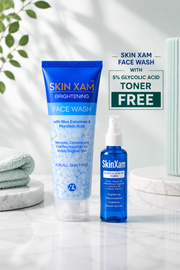
Start with Skin Xam Brightening Face Wash to remove excess oil, dirt, and daily impurities while preparing your skin for the next steps.
Step 2: Apply a Serum
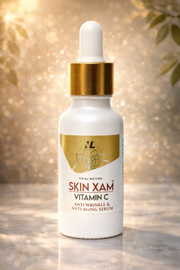
Use Skin Xam Vitamin C Serum as part of your routine to support a brighter and more even-looking complexion.
Step 3: Moisturize
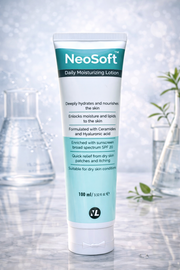
Apply NeoSoft Moisturizing Lotion to help keep your skin hydrated, support the skin barrier, and maintain soft, healthy-looking skin.
Step 4: Protect Your Skin
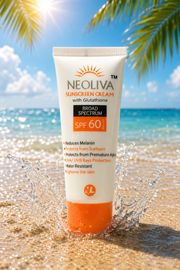
Finish your morning routine with Neoliva SPF 60 Sunscreen to help protect your skin from UV exposure, one of the leading contributors to pigmentation.
Step 5: Night Care
Before going to bed, apply Skin Xam Fairness Cream as your night cream on clean, dry skin. Its Steroid Free and Mercury Free formula, combined with premium skincare ingredients, makes it a suitable choice for your evening skincare routine.
Tips to Help Prevent Pigmentation
- Wear sunscreen every day.
- Avoid picking pimples.
- Cleanse your face twice daily.
- Stay consistent with your skincare routine.
- Patch-test new products before full use.
- Protect your skin from excessive sun exposure.
Frequently Asked Questions
Can pigmentation go away?
The appearance of pigmentation may improve over time depending on its cause, your skincare routine, and other factors. Some forms of pigmentation may require professional evaluation.
Is sunscreen important for pigmentation?
Yes. Daily sun protection helps reduce further UV-related pigmentation and supports your skincare routine.
Can men develop pigmentation?
Yes. Pigmentation can affect both men and women.
Which ingredients are commonly used for pigmentation?
Niacinamide, Alpha Arbutin, Vitamin C, Mandelic Acid, Licorice Extract, and Hyaluronic Acid are commonly found in cosmetic skincare products for uneven skin tone.
Related Articles
- Why Skin Xam Fairness Cream is One of the Top Skincare Creams in Pakistan – Steroid & Mercury Free Formula
- Steroid Free vs Steroid Creams: What's the Difference?
- Niacinamide vs Alpha Arbutin: Which Ingredient Is Better for Dark Spots?
Final Thoughts
Understanding the causes of pigmentation is the first step toward healthier-looking skin. Sun exposure, acne marks, hormonal changes, aging, and genetics can all contribute to uneven skin tone. A consistent skincare routine, combined with daily sun protection and products formulated with well-known cosmetic skincare ingredients, can help support a brighter, more even-looking complexion over time.