Salicylic Acid vs Glycolic Acid: Which Is Better for Acne-Prone Skin?
Novelax PharmaAcne, oily skin, blackheads, whiteheads, and post-acne marks are among the most common skincare concerns in Pakistan. When searching for effective skincare ingredients, two names frequently appear: Salicylic Acid and Glycolic Acid.
Both ingredients offer unique benefits, but they work differently and target different skin concerns.
If you're wondering which ingredient is better for your skin, this guide will help you understand the differences and choose the right option for your skincare routine.
What Is Salicylic Acid?
Salicylic Acid is a Beta Hydroxy Acid (BHA) known for its ability to penetrate deep into pores.
Unlike many exfoliating ingredients that work only on the skin's surface, Salicylic Acid is oil-soluble, allowing it to dissolve excess sebum and debris trapped inside pores.
Key Benefits of Salicylic Acid
✔ Helps reduce acne breakouts
✔ Supports clearer pores
✔ Helps control excess oil
✔ Reduces blackheads and whiteheads
✔ Improves overall skin clarity
✔ Suitable for oily and acne-prone skin
What Is Glycolic Acid?
Glycolic Acid is an Alpha Hydroxy Acid (AHA) derived from sugar cane.
It works primarily on the skin's surface by removing dead skin cells and promoting skin renewal.
Key Benefits of Glycolic Acid
✔ Improves skin texture
✔ Helps fade acne marks
✔ Brightens dull skin
✔ Promotes smoother-looking skin
✔ Supports even skin tone
✔ Enhances skin radiance
Salicylic Acid vs Glycolic Acid: Key Differences
| Feature | Salicylic Acid | Glycolic Acid |
|---|---|---|
| Acid Type | BHA | AHA |
| Works Inside Pores | Yes | No |
| Removes Excess Oil | Yes | Limited |
| Helps Active Acne | Excellent | Moderate |
| Helps Blackheads | Excellent | Moderate |
| Helps Acne Marks | Moderate | Excellent |
| Brightens Skin | Moderate | Excellent |
| Improves Texture | Good | Excellent |
Which Ingredient Is Better for Acne?
When it comes to active acne and oily skin, Salicylic Acid is usually the better choice.
Because it penetrates deep into pores, it helps remove excess oil and impurities that contribute to breakouts.
For people struggling with:
- Pimples
- Blackheads
- Whiteheads
- Oily skin
- Congested pores
Salicylic Acid is often considered one of the most effective skincare ingredients.
Why Salicylic Acid Is Popular for Acne-Prone Skin
Acne develops when pores become clogged with:
- Excess oil
- Dead skin cells
- Bacteria
- Environmental pollutants
Salicylic Acid helps clear these blockages and supports a cleaner complexion.
This makes it particularly beneficial for:
✔ Teenagers
✔ Adults with acne
✔ Oily skin types
✔ Combination skin
✔ Individuals prone to frequent breakouts
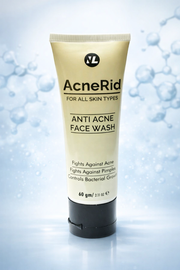
Acnerid Face Wash: Salicylic Acid-Based Cleansing for Acne-Prone Skin
For individuals looking to incorporate Salicylic Acid into their daily skincare routine, Acnerid Face Wash offers an effective cleansing solution.
Benefits of Acnerid Face Wash
✔ Contains Salicylic Acid
✔ Helps remove excess oil
✔ Supports cleaner-looking pores
✔ Helps reduce acne-causing buildup
✔ Refreshes and cleanses the skin
✔ Suitable for oily and acne-prone skin
Regular cleansing with a Salicylic Acid face wash can be an important step toward maintaining clearer and healthier-looking skin.
When Should You Choose Glycolic Acid Instead?
While Salicylic Acid is excellent for active acne, Glycolic Acid becomes more useful when your primary concern is:
- Acne marks
- Uneven skin tone
- Dull skin
- Rough texture
- Skin brightening
Many skincare enthusiasts use Glycolic Acid after acne has improved to help enhance overall skin appearance.
Can You Use Both Salicylic Acid and Glycolic Acid?
Yes, many skincare routines successfully incorporate both ingredients.
Example Routine
Morning
- Acnerid Face Wash
- Moisturizer
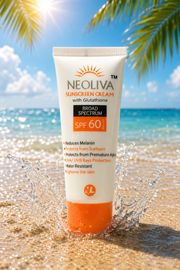
- Neoliva SPF 60 with Glutathione
Evening
- Acnerid Face Wash
- Glycolic Toner (2–3 times weekly)
- Moisturizer
This combination can help address both active acne and post-acne skin concerns.
Don't Forget Sunscreen
Whether you're using Salicylic Acid or Glycolic Acid, daily sun protection is essential.
UV exposure can worsen:
- Acne marks
- Hyperpigmentation
- Uneven skin tone
- Premature aging
Neoliva SPF 60 with Glutathione
Provides:
✔ High SPF protection
✔ Broad-spectrum UV defense
✔ Antioxidant support
✔ Daily protection for healthy-looking skin
Final Verdict
If your main concern is:
Active Acne, Oily Skin, Blackheads & Breakouts
Choose Salicylic Acid
Acne Marks, Dullness & Uneven Skin Tone
Choose Glycolic Acid
For many individuals, the best results come from using both ingredients strategically as part of a complete skincare routine.
Acnerid Face Wash with Salicylic Acid is an excellent daily cleanser for acne-prone skin, helping support clearer pores, reduced oil buildup, and a healthier-looking complexion.
FAQs
Is Salicylic Acid good for acne?
Yes. Salicylic Acid is one of the most widely used ingredients for acne-prone and oily skin.
Can Salicylic Acid remove blackheads?
It helps unclog pores and may reduce the appearance of blackheads and whiteheads.
Is Glycolic Acid better than Salicylic Acid?
Not necessarily. Each ingredient serves a different purpose depending on your skin concerns.
Can I use Salicylic Acid every day?
Most Salicylic Acid face washes are designed for regular use, but usage should depend on your skin's tolerance.
Which face wash is best for acne-prone skin?
A Salicylic Acid-based cleanser such as Acnerid Face Wash can be beneficial for individuals with oily and acne-prone skin.
Recommended Novelax Pharma products
All products are available with Cash on Delivery across Pakistan (flat Rs. 250 delivery, 3–4 days).