How to Repair a Damaged Skin Barrier: Causes, Signs & Best Skincare Routine
Novelax PharmaYour skin protects you from pollution, bacteria, UV rays, harsh weather, and moisture loss every single day. This protective shield is known as the skin barrier. When it becomes damaged, your skin can quickly become dry, irritated, sensitive, and prone to breakouts.
Many people mistake these symptoms for acne or allergies, when the real problem is often a weakened skin barrier. The good news is that with the right skincare routine and consistent care, your skin barrier can recover.
In this guide, you'll learn everything you need to know about repairing a damaged skin barrier, including its causes, symptoms, and the best daily routine to restore healthy, glowing skin.
What Is the Skin Barrier?
The skin barrier, also called the stratum corneum, is the outermost layer of your skin. Think of it as a protective wall made of skin cells held together by natural lipids such as ceramides, cholesterol, and fatty acids.
A healthy skin barrier helps to:
- Lock in moisture
- Prevent dehydration
- Protect against bacteria and pollution
- Reduce irritation
- Support healthy-looking skin
- Maintain a smooth, even complexion
When this barrier is damaged, water escapes from the skin much faster, while irritants and pollutants penetrate more easily.
What Causes a Damaged Skin Barrier?
Several everyday habits can weaken your skin's natural defense.
1. Overwashing Your Face
Washing your face too often strips away natural oils that protect the skin.
2. Using Harsh Cleansers
Face washes containing harsh cleansing agents or high alcohol content may leave skin feeling tight and dry.
Choosing a gentle cleanser is the first step toward repairing your barrier.
3. Over-Exfoliation
Using chemical exfoliants like AHAs, BHAs, or physical scrubs too frequently can weaken the skin barrier.
More exfoliation does not always mean better skin.
4. Sun Damage
UV rays gradually damage skin cells, reduce collagen production, and weaken the skin's protective barrier.
Daily sunscreen is essential.
5. Dry Weather
Cold temperatures, indoor heating, and low humidity remove moisture from the skin, making the barrier more vulnerable.
6. Hot Water
Long, hot showers may feel relaxing but can strip away protective lipids that keep your skin healthy.
7. Strong Active Ingredients
Using too many active ingredients at the same time—such as retinol, glycolic acid, salicylic acid, and high-strength vitamin C—may overwhelm the skin.
8. Environmental Pollution
Dust, smoke, and pollution increase oxidative stress, making it harder for the skin barrier to repair itself naturally.
Signs Your Skin Barrier Is Damaged
Many people don't realize their skin barrier is damaged until their skin becomes uncomfortable. Here are the most common symptoms:
- Persistent dryness
- Tightness after cleansing
- Redness and inflammation
- Burning or stinging when applying skincare
- Flaky or peeling skin
- Increased sensitivity
- Rough skin texture
- Frequent breakouts
- Itchy skin
- Dull complexion
If you're experiencing several of these symptoms together, your skin barrier may need extra care and time to recover.
How Long Does It Take to Repair a Damaged Skin Barrier?
Recovery time depends on the severity of the damage and your skincare routine.
- Mild damage: 1–2 weeks
- Moderate damage: 3–6 weeks
- Severely damaged skin: 2–3 months or longer
Consistency is key. Avoid constantly switching products, as this can slow the healing process.
Best Skincare Routine to Repair a Damaged Skin Barrier
A simple routine with gentle, hydrating products works best.
Step 1: Cleanse Gently
Start with a mild cleanser that removes dirt, oil, and impurities without stripping your skin.
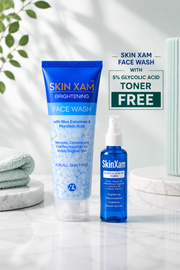
Recommended: Skin Xam Brightening Face Wash
Its formula combines Blue Exosomes, Mandelic Acid, Niacinamide, Alpha Arbutin, Licorice Extract, and Hyaluronic Acid to cleanse the skin while supporting hydration and improving overall skin appearance. Gentle cleansing helps maintain the skin barrier instead of disrupting it.
Step 2: Hydrate Your Skin
Hydration is essential for barrier repair.
Choose ingredients like:
- Hyaluronic Acid
- Glycerin
- Panthenol
- Ceramides
- Aloe Vera
These ingredients help attract and retain moisture, reducing dryness and improving skin comfort.
Step 3: Moisturize Daily
Moisturizer helps seal in hydration and strengthens the skin's natural protective barrier.
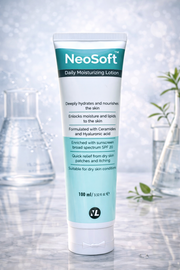
Recommended: NeoSoft Moisturizer
NeoSoft provides long-lasting hydration, supports the skin barrier, and helps reduce dryness and tightness, leaving skin soft and comfortable.
Step 4: Protect Your Skin with Sunscreen
UV exposure can slow skin barrier recovery and worsen irritation.
Use a broad-spectrum sunscreen with SPF 30 or higher every morning.
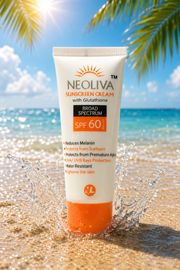
Recommended: Neoliva SPF 60 Sunscreen
It provides high UV protection while helping defend the skin against environmental damage, making it an important final step in your morning skincare routine.
Ingredients That Help Repair the Skin Barrier
Look for skincare products containing these beneficial ingredients:
Ceramides
Help rebuild the skin's natural protective layer and reduce moisture loss.
Hyaluronic Acid
Provides intense hydration and helps keep the skin plump.
Niacinamide
Supports the skin barrier, reduces redness, and improves overall skin texture.
Glycerin
A powerful humectant that draws moisture into the skin.
Blue Exosomes
An emerging skincare ingredient being studied for its potential to support skin renewal and hydration.
Licorice Extract
Helps soothe the skin and improve the appearance of uneven skin tone.
Mistakes That Can Delay Skin Barrier Recovery
Avoid these common habits while your skin is healing:
- Washing your face too frequently
- Using very hot water
- Over-exfoliating
- Mixing too many active ingredients
- Skipping moisturizer
- Not wearing sunscreen
- Frequently changing skincare products
- Picking or rubbing irritated skin
Following a gentle, consistent routine gives your skin the best chance to recover.
How to Prevent Skin Barrier Damage
Preventing skin barrier damage is much easier than repairing it. A few simple habits can help keep your skin healthy, hydrated, and resilient.
1. Use a Gentle Cleanser
Choose a cleanser that effectively removes dirt, excess oil, and impurities without stripping away your skin's natural moisture.
Recommended: Skin Xam Brightening Face Wash
Its advanced formula with Blue Exosomes, Mandelic Acid, Niacinamide, Alpha Arbutin, Hyaluronic Acid, and Licorice Extract helps cleanse the skin while supporting hydration and promoting a brighter, healthier-looking complexion.
2. Moisturize Every Day
Moisturizing is one of the most important steps for maintaining a healthy skin barrier.
Recommended: NeoSoft Moisturizer
Daily moisturizing helps reduce moisture loss, improves skin softness, and supports the skin's natural protective barrier.
3. Never Skip Sunscreen
Sun exposure is one of the biggest causes of premature skin damage and weakened skin barriers.
Recommended: Neoliva SPF 60 Sunscreen
Applying sunscreen every morning helps protect your skin from harmful UVA and UVB rays while reducing the risk of further barrier damage.
4. Avoid Over-Exfoliating
Exfoliating once or twice a week is generally enough for most skin types. Excessive exfoliation can increase sensitivity and weaken the skin barrier.
5. Drink Enough Water
Staying hydrated supports overall skin health and helps maintain moisture balance from within.
6. Eat a Skin-Friendly Diet
Include foods rich in:
- Omega-3 fatty acids
- Vitamin C
- Vitamin E
- Zinc
- Antioxidants
- Fresh fruits and vegetables
A balanced diet supports healthy skin and overall wellness.
7. Be Patient
Skin barrier repair takes time. Stick to a consistent routine and avoid introducing multiple new products at once.
Frequently Asked Questions (FAQs)
Can a damaged skin barrier heal itself?
Yes. The skin has a natural ability to repair itself, but healing is supported by a gentle skincare routine, regular moisturizing, and daily sun protection.
Should I stop using active ingredients?
If your skin is irritated or your barrier is compromised, it's often helpful to temporarily reduce or pause strong active ingredients such as retinoids or high-strength exfoliating acids until your skin feels comfortable again.
Can a damaged skin barrier cause acne?
A weakened skin barrier can contribute to irritation and inflammation, which may make breakouts more likely in some individuals.
Is Hyaluronic Acid good for repairing the skin barrier?
Yes. Hyaluronic Acid helps attract and retain moisture, supporting skin hydration and improving comfort while the barrier recovers.
Can Niacinamide strengthen the skin barrier?
Yes. Niacinamide is well known for supporting the skin barrier, helping reduce redness, and improving overall skin texture.
Expert Tips for a Healthy Skin Barrier
- Keep your skincare routine simple.
- Patch test new products before regular use.
- Use lukewarm water instead of hot water.
- Moisturize immediately after cleansing.
- Apply sunscreen every morning, even on cloudy days.
- Avoid picking at acne or irritated skin.
- Get enough sleep and manage stress for healthier-looking skin.
Final Thoughts
Your skin barrier is your skin's first line of defense against environmental stressors, moisture loss, and irritation. When it's damaged, your skin may become dry, sensitive, and more prone to redness and breakouts. The good news is that with a consistent skincare routine, gentle cleansing, proper hydration, and daily sun protection, most skin barriers can recover over time.
For a complete daily routine, consider:
- Step 1: Skin Xam Brightening Face Wash
- Step 2: NeoSoft Moisturizer
- Step 3: Neoliva SPF 60 Sunscreen (Morning)
These products help support a simple skincare routine focused on cleansing, hydration, and UV protection. Individual results vary depending on skin type and condition.
Conclusion
A healthy skin barrier is the foundation of smooth, comfortable, and radiant-looking skin. By understanding what damages the skin barrier and following a consistent skincare routine, you can help restore your skin's natural balance and maintain long-term skin health.
If your skin remains severely irritated, painful, or symptoms persist despite proper skincare, consult a qualified dermatologist for personalized evaluation and treatment.