Can Air Conditioning (AC) Damage Your Skin? Causes, Signs & Prevention (Complete Guide 2026)
Novelax PharmaAir conditioners have become an essential part of daily life, especially in countries like Pakistan, where summer temperatures often exceed 40°C. Whether you're at home, in the office, shopping malls, or travelling in your car, you're likely spending several hours every day in an air-conditioned environment.
While air conditioning helps keep you comfortable during hot weather, many people notice that their skin starts feeling dry, tight, dull, or irritated after spending long hours in AC rooms. This raises a common question:
Can air conditioning actually damage your skin?
The short answer is yes—but indirectly.
Air conditioning doesn't damage your skin in the same way sunlight or pollution can. However, it reduces humidity in indoor environments, which can cause your skin to lose moisture more quickly. Over time, this may affect your skin barrier, making your skin feel dehydrated and less comfortable if you don't maintain a proper skincare routine.
In this guide, we'll explain how AC affects your skin, the common signs of moisture loss, and simple steps you can take to keep your skin healthy, hydrated, and protected throughout the year.
How Does Air Conditioning Affect Your Skin?
Air conditioners work by cooling the air and reducing indoor humidity.
While this creates a comfortable indoor temperature, it also removes moisture from the surrounding air. As humidity decreases, your skin may lose water more quickly through a natural process called Transepidermal Water Loss (TEWL).
When your skin loses moisture faster than it can replace it, it may begin to feel:
- Dry
- Tight
- Rough
- Less smooth
- More sensitive
If this continues for long periods without proper skincare, your skin barrier may become less effective at retaining moisture.
Can AC Cause Dry Skin?
Yes.
Dry indoor air is one of the most common reasons people experience skin dryness while spending long hours in air-conditioned rooms.
People who already have naturally dry or sensitive skin may notice symptoms more quickly, but oily and combination skin types can also become dehydrated.
It's important to understand that oily skin and hydrated skin are not the same thing. Even if your skin produces excess oil, it can still lack sufficient water, resulting in dehydration.
Common Signs That AC May Be Affecting Your Skin
If you spend several hours each day in an air-conditioned environment, you may notice:
Dryness
Your skin may feel rough or flaky, particularly around the cheeks and forehead.
Tightness
Many people experience a tight feeling immediately after washing their face or after sitting in AC for several hours.
Dull Complexion
Dehydrated skin often appears tired and lacks its natural glow.
Increased Sensitivity
Your skin may become more reactive to skincare products or environmental factors.
Fine Dry Lines
Loss of moisture can make temporary fine lines more noticeable, especially around the eyes and mouth.
Who Is Most Affected by Air Conditioning?
Almost anyone can experience skin dehydration from prolonged exposure to dry indoor air, but some people are more likely to notice the effects.
You may be more affected if you:
- Work in an air-conditioned office.
- Spend most of your day indoors.
- Frequently travel in an air-conditioned car.
- Have naturally dry or sensitive skin.
- Use hot water to wash your face.
- Don't moisturize regularly.
People with existing skin barrier concerns should pay extra attention to hydration and gentle skincare.
Does AC Damage the Skin Barrier?
Your skin barrier is the outermost layer of your skin that helps retain moisture while protecting against environmental stressors.
Extended exposure to dry indoor air may contribute to moisture loss, which can affect how comfortable your skin feels. Supporting your skin barrier with gentle cleansing, regular moisturizing, and daily sun protection can help maintain healthier-looking skin.
Can Oily Skin Become Dehydrated?
Many people believe oily skin doesn't need moisturizer.
This is one of the biggest skincare myths.
Even oily skin can become dehydrated after spending long hours in air-conditioned environments.
When your skin lacks water, it may feel tight and uncomfortable. In some people, the skin may even produce more oil as it tries to compensate for moisture loss.
Using lightweight, hydrating skincare products can help maintain a better balance without making the skin feel greasy.
Common Myths About AC and Skin
Myth 1: Only Dry Skin Is Affected
Fact: Every skin type—including oily and combination skin—can lose moisture in dry indoor environments.
Myth 2: Drinking More Water Alone Solves the Problem
Fact: Staying hydrated is important, but your skin also benefits from topical skincare that helps support the skin barrier and reduce moisture loss.
Myth 3: Moisturizer Is Only for Winter
Fact: Moisturizer is beneficial throughout the year, including during summer when air conditioners can reduce indoor humidity.
How to Protect Your Skin from Air Conditioning
Spending long hours in an air-conditioned environment doesn't mean you have to compromise your skin's health. A few simple skincare habits can help reduce moisture loss and keep your skin looking healthy and comfortable throughout the day.
1. Use a Gentle Face Wash
The first step towards healthy skin is proper cleansing.
However, over-cleansing or using harsh face washes can strip away your skin's natural oils, making dryness even worse.
Instead, choose a cleanser that effectively removes dirt, excess oil, sweat, and pollution while helping maintain your skin's natural moisture barrier.
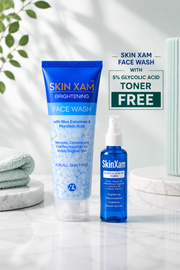
Skin Xam Brightening Face Wash by Novelax Pharma is formulated with Blue Exosomes, Mandelic Acid, Niacinamide, Alpha Arbutin, Hyaluronic Acid, and Licorice Extract. It gently cleanses the skin while helping remove impurities, excess oil, and environmental pollutants without leaving your skin feeling excessively dry.
A clean, balanced complexion allows the next skincare products to perform more effectively.
2. Apply an Antioxidant Serum
Once your skin is clean, the next step is applying a serum.
Air-conditioned environments can expose your skin to dry indoor air and environmental stressors, making antioxidant support an important part of your skincare routine.
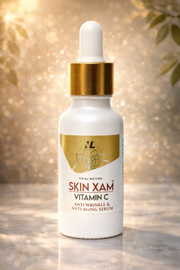
Skin Xam Vitamin C Serum by Novelax Pharma contains Ethyl Ascorbic Acid (Vitamin C), Matrixyl® 3000, Licorice Extract, and Vitamin E. These ingredients are commonly used in skincare to help improve skin radiance, support a more even-looking complexion, and provide antioxidant protection against environmental stress.
Apply a few drops after cleansing and gently massage until fully absorbed.
3. Keep Your Skin Hydrated
Hydration is the most important step when spending long hours in air-conditioned rooms.
A moisturizer helps reduce moisture loss and supports the skin's natural protective barrier.
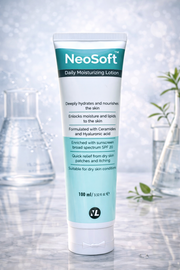
NeoSoft Moisturizing Lotion by Novelax Pharma is formulated to provide long-lasting hydration while helping keep the skin soft, smooth, and comfortable throughout the day. Its lightweight texture absorbs easily, making it suitable for daily use on different skin types.
Regular moisturizing can help reduce the feeling of tightness and dryness often experienced in air-conditioned environments.
4. Never Skip Sun Protection
Many people think sunscreen is only necessary when spending time outdoors.
In reality, sun protection should remain part of your daily skincare routine, especially if you travel between indoor and outdoor environments throughout the day.
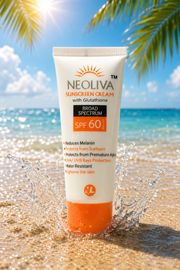
Finish your morning routine with Neoliva SPF 60 Sunblock by Novelax Pharma.
Neoliva SPF 60 provides broad-spectrum UVA & UVB protection and is enriched with Glutathione, Titanium Dioxide, and Zinc Oxide. Together, these ingredients help protect the skin from daily sun exposure while supporting a brighter and healthier-looking complexion.
Apply Neoliva SPF 60 generously to your face, neck, ears, and other exposed areas as the final step of your morning skincare routine. Reapply according to the product directions, especially if you spend extended periods outdoors.
Complete Morning Skincare Routine
Step 1
Cleanse your face using Skin Xam Brightening Face Wash.
Step 2
Apply Skin Xam Vitamin C Serum.
Step 3
Moisturize with NeoSoft Moisturizing Lotion.
Step 4
Protect your skin using Neoliva SPF 60 Sunblock.
Following these four simple steps every morning helps keep your skin clean, hydrated, and protected throughout the day.
Night Skincare Routine for AC Users
Your skin repairs itself while you sleep, making nighttime skincare equally important.
Step 1
Wash your face using Skin Xam Brightening Face Wash to remove sunscreen, excess oil, dust, and impurities accumulated throughout the day.
Step 2
Apply Skin Xam Vitamin C Serum to help support overnight skin renewal and maintain a brighter-looking complexion.
Step 3
Apply NeoSoft Moisturizing Lotion before bedtime to replenish moisture and support the skin barrier overnight.
Additional Tips to Prevent AC-Related Skin Dryness
Along with a consistent skincare routine, these habits can help maintain healthier-looking skin:
- Drink enough water throughout the day.
- Avoid washing your face with very hot water.
- Use a humidifier if indoor air feels excessively dry.
- Avoid harsh exfoliation when your skin feels dehydrated.
- Eat a balanced diet rich in fruits, vegetables, and healthy fats.
- Get sufficient sleep each night.
- Avoid touching your face frequently.
Healthy skin depends on both good skincare and healthy lifestyle habits.
Can AC Make Acne Worse?
Air conditioning itself does not directly cause acne. However, if your skin becomes dehydrated, it may produce excess oil in response. Combined with sweat, pollution, and inadequate cleansing, this can contribute to clogged pores in some individuals.
Maintaining a consistent routine with Skin Xam Brightening Face Wash, Skin Xam Vitamin C Serum, NeoSoft Moisturizing Lotion, and Neoliva SPF 60 Sunblock can help support balanced, healthy-looking skin and prepare it for daily environmental challenges.
Frequently Asked Questions (FAQs)
1. Can air conditioning really damage your skin?
Air conditioning doesn't directly damage your skin, but it reduces indoor humidity, which can increase moisture loss from the skin. Over time, this may leave your skin feeling dry, tight, or dehydrated if you don't follow a proper skincare routine.
2. Why does my skin feel dry after sitting in an AC room?
Air conditioners remove moisture from the air. When humidity levels drop, your skin loses water more easily, which may cause dryness, tightness, and a dull appearance.
3. Can oily skin become dehydrated because of AC?
Yes. Oily skin can still become dehydrated. When your skin lacks water, it may feel tight while continuing to produce oil. This is why hydration is important for every skin type.
4. How can I protect my skin while staying in air-conditioned rooms?
Maintain a consistent skincare routine by:
- Cleansing with a gentle face wash
- Applying an antioxidant serum
- Using a moisturizer daily
- Wearing broad-spectrum sun protection every morning
- Drinking enough water throughout the day
5. Which skincare products are suitable for AC environments?
A simple daily routine can help support healthy-looking skin:
- Skin Xam Brightening Face Wash – Gently cleanses impurities and excess oil.
- Skin Xam Vitamin C Serum – Provides antioxidant support and enhances skin radiance.
- NeoSoft Moisturizing Lotion – Helps replenish moisture and support the skin barrier.
- Neoliva SPF 60 Sunblock – Provides broad-spectrum UVA & UVB protection while helping defend the skin from daily sun exposure.
6. Should I use moisturizer even if I have oily skin?
Yes. Moisturizer is important for all skin types. Lightweight moisturizers help maintain hydration and support the skin barrier without necessarily making the skin feel greasy.
7. Is sunscreen necessary if I spend most of my day indoors?
Yes. If you are exposed to daylight through windows or travel between indoor and outdoor environments, wearing a broad-spectrum sunblock every morning is still recommended.
8. Can dehydration make my skin look dull?
Yes. When the skin lacks adequate moisture, it may appear tired, rough, and less radiant. Regular hydration and a consistent skincare routine can help improve the skin's overall appearance.
Final Thoughts
Air conditioning makes everyday life more comfortable, especially during Pakistan's hot summers, but prolonged exposure to dry indoor air can gradually reduce your skin's moisture levels. While AC itself doesn't directly damage your skin, it can contribute to dryness, tightness, and dehydration if your skin isn't properly cared for.
The good news is that these effects can often be managed with a consistent skincare routine focused on cleansing, hydration, and daily protection.
For a simple yet effective daily routine, start with Skin Xam Brightening Face Wash to remove impurities and excess oil, follow with Skin Xam Vitamin C Serum for antioxidant support, hydrate your skin using NeoSoft Moisturizing Lotion, and complete your morning routine with Neoliva SPF 60 Sunblock. With broad-spectrum UVA & UVB protection and Glutathione, Neoliva SPF 60 helps protect your skin from daily sun exposure while supporting a brighter, healthier-looking complexion.
Healthy skin isn't just about using great products—it's about using them consistently. By combining a balanced skincare routine with healthy lifestyle habits, you can help keep your skin hydrated, comfortable, and radiant throughout the year, whether you're indoors or outdoors.
Recommended Novelax Pharma products
- Skin Xam Brightening Face Wash
- Skin Xam Vitamin C Serum
- NeoSoft Moisturizing Lotion
- Neoliva SPF 60 Sunscreen Cream
All products are available with Cash on Delivery across Pakistan (flat Rs. 250 delivery, 3–4 days).